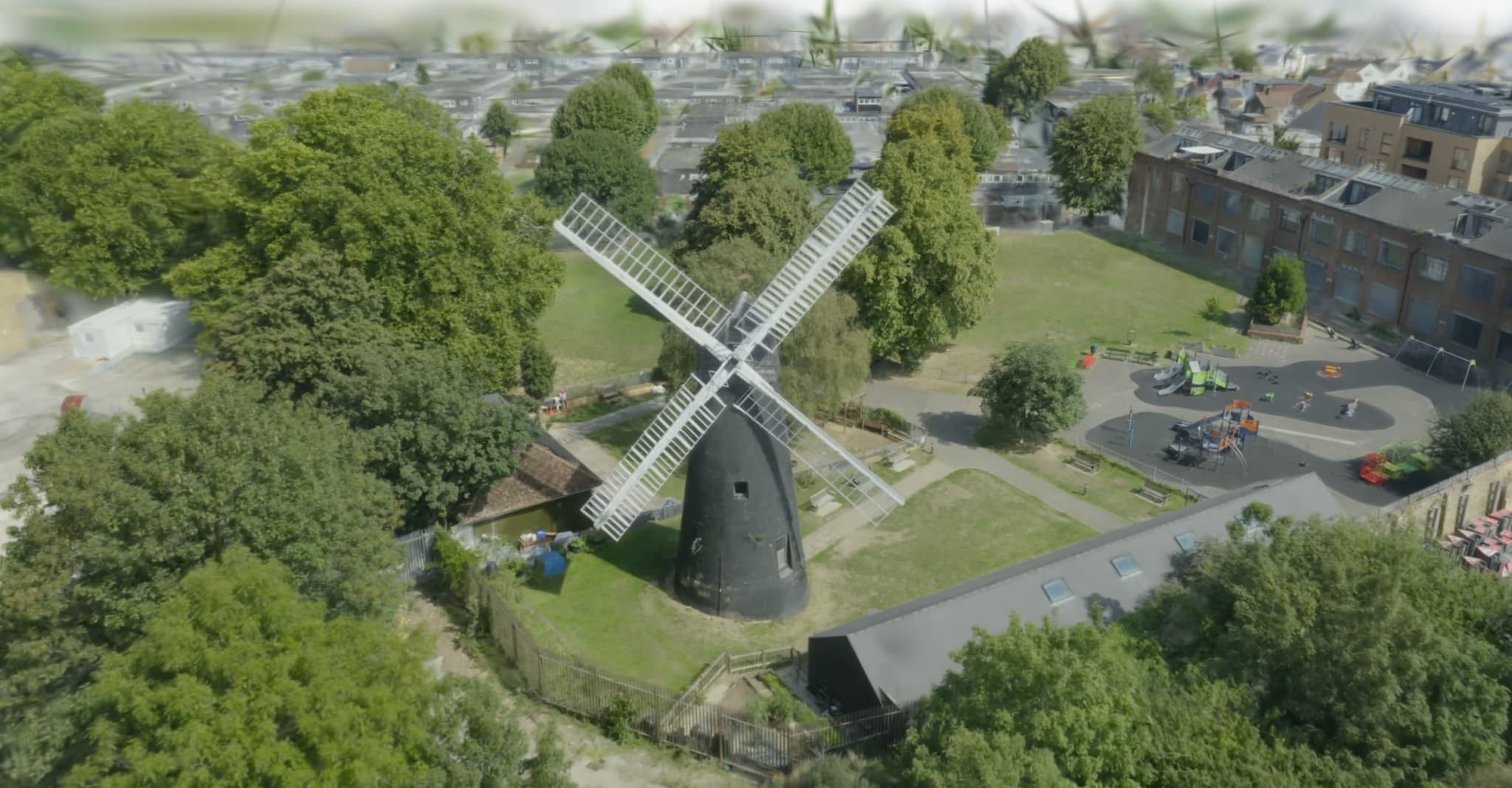
3D Product Archives
Museum-Quality Photogrammetry for Artefacts & Objects
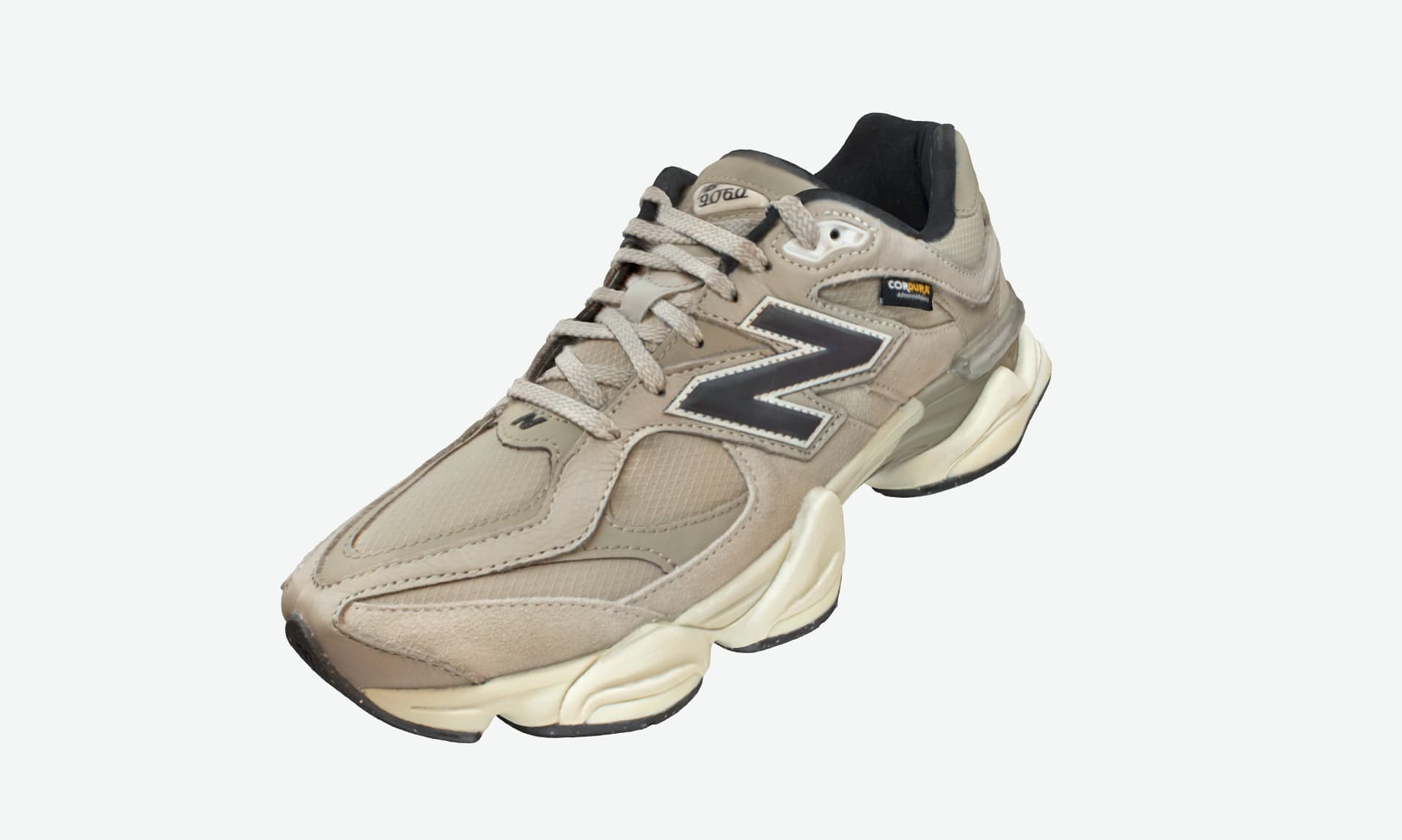
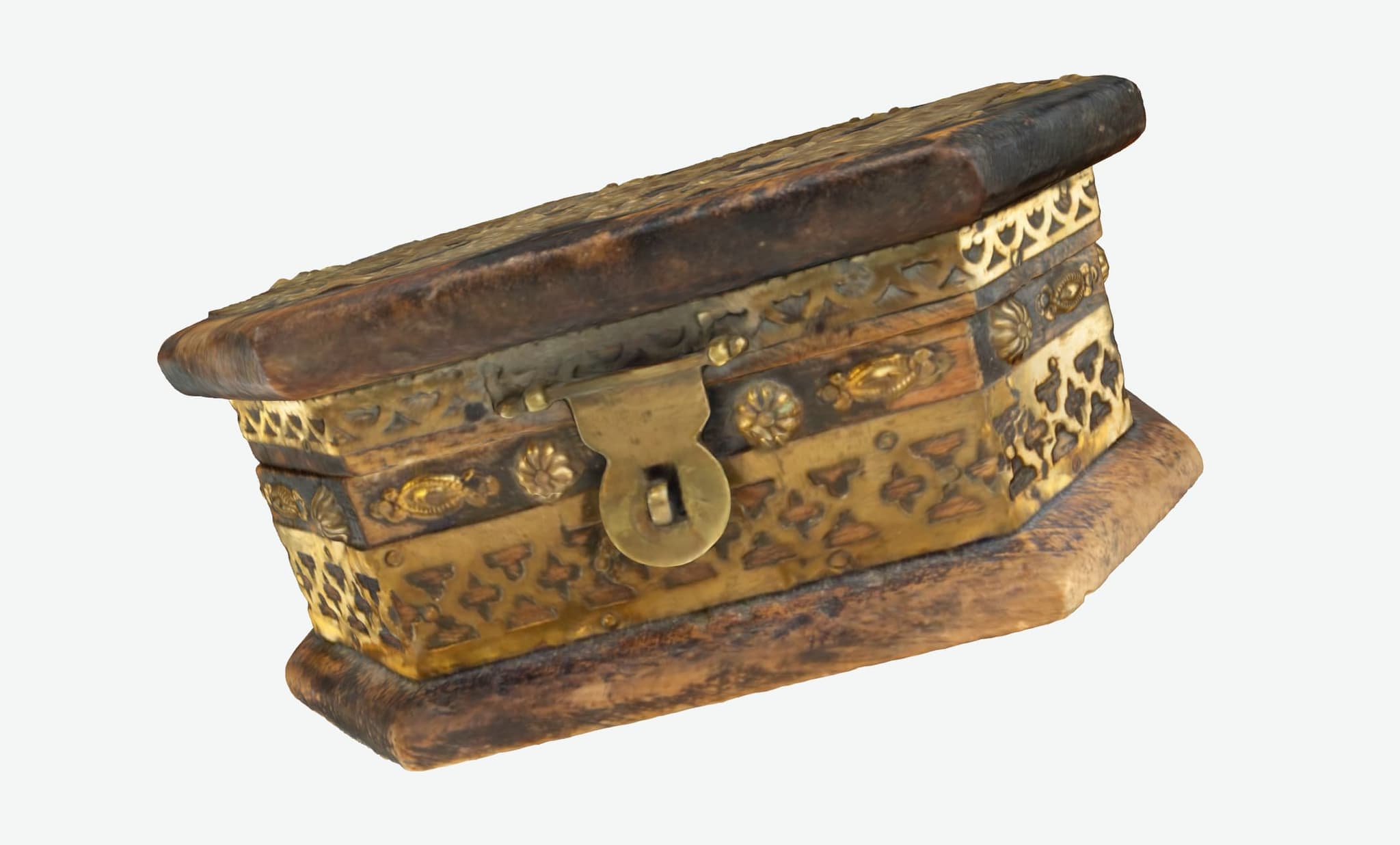
Technique
High-Resolution Photogrammetry
Precision
Sub-millimeter accuracy
Applications
Museum archives, product catalogs, preservation
Deliverables
3D models, web viewers, AR-ready files
The Challenge
Museums, cultural institutions, and collectors need accurate 3D documentation of artifacts and objects for preservation, research, and public engagement – but without risking damage to fragile or valuable items.
Traditional photography captures only 2D information. Photogrammetry creates complete digital twins that preserve every surface detail, texture, and dimension – allowing scholars, curators, and the public to examine objects from any angle.
The Approach
I use controlled lighting and systematic capture techniques to create museum-quality 3D models of artifacts, products, and cultural objects.
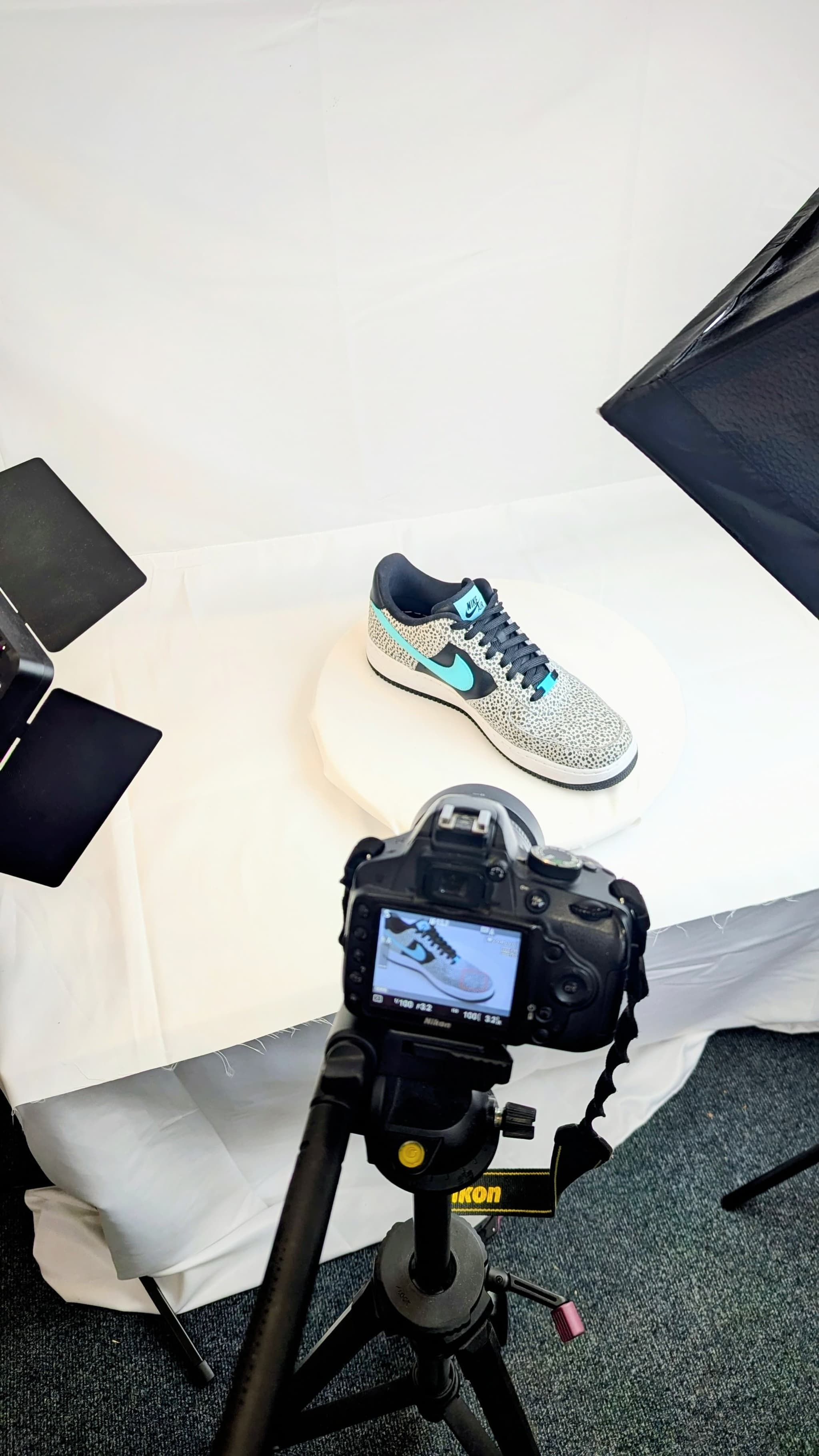
1. Controlled Environment Setup
Calibrated lighting, neutral backgrounds, and turntables or camera rigs ensure consistent, high-quality capture conditions.
2. Multi-Angle Capture
Photograph objects from 100+ angles, capturing every surface detail including undercuts, textures, and fine features.
3. Photogrammetric Processing
Advanced software aligns images and constructs accurate 3D geometry with photorealistic textures at sub-millimeter precision.
4. Optimisation & Delivery
Models are optimised for various uses – web viewing, 3D printing, AR applications, or archival storage – while maintaining maximum detail.
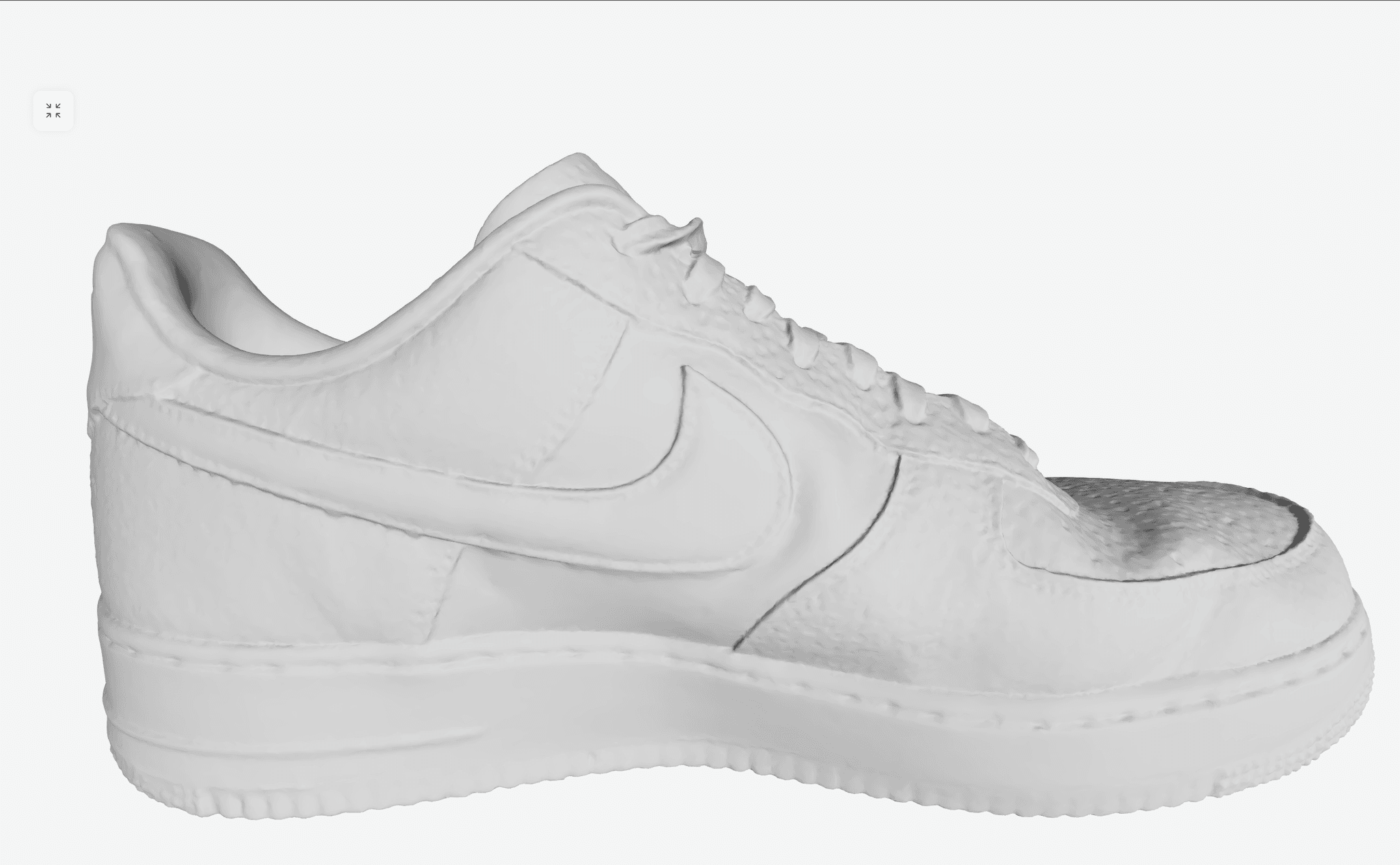
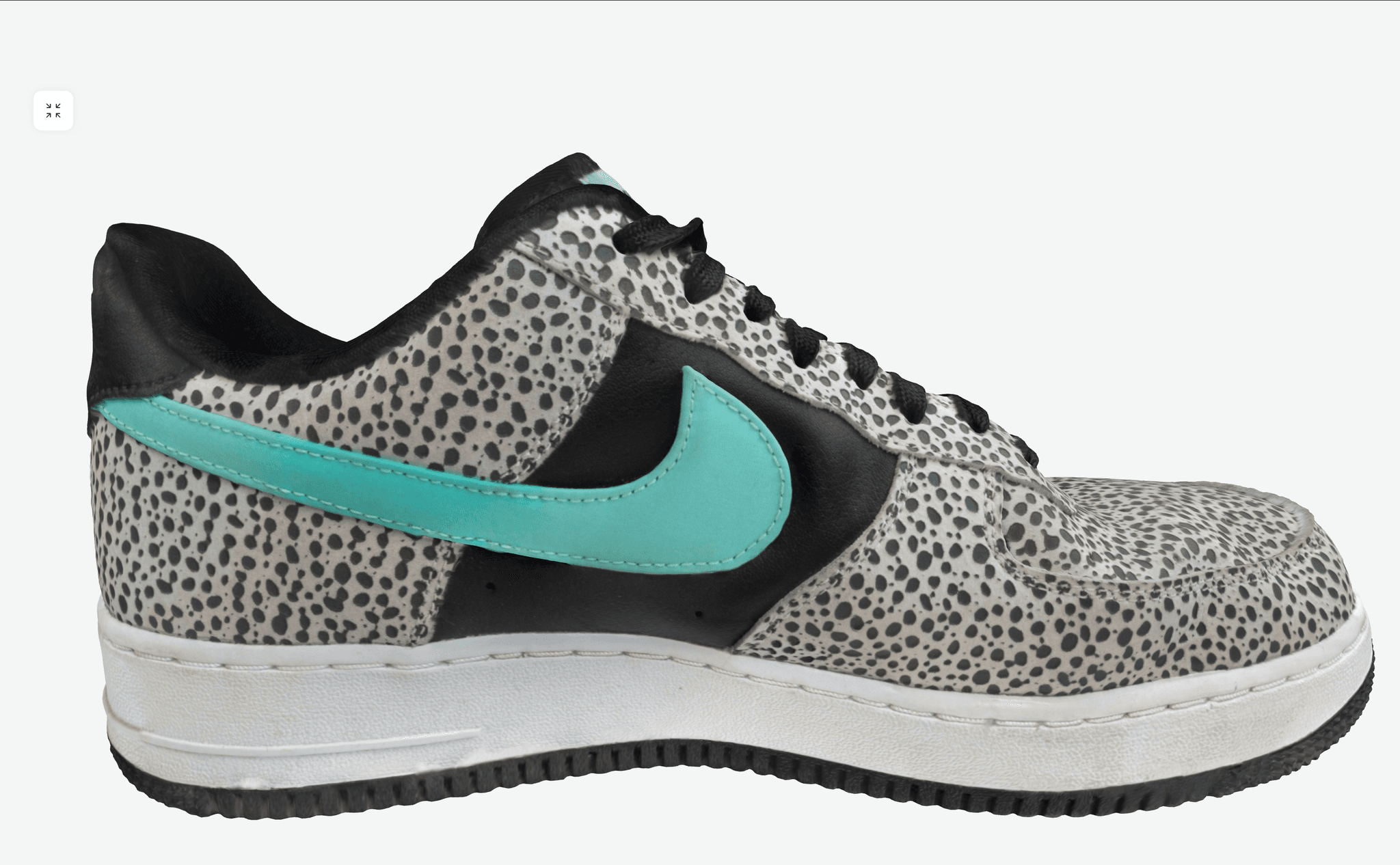
From Geometry to Photorealistic Model
Drag the slider to compare the raw mesh geometry with the final textured model. This demonstrates how photogrammetry captures both accurate 3D structure and photorealistic surface detail.
Object Types
I've documented a variety of objects using photogrammetry, including:
Cultural Artifacts
- Pottery & ceramics
- Sculptures & figurines
- Historical tools
- Decorative objects
Products & Design
- Footwear (trainers, shoes)
- Furniture pieces
- Product prototypes
- Design objects
Future additions include furniture documentation and expanded museum artifact collections.
The Result
Each object becomes a digital twin that preserves its exact geometry, surface texture, and color – creating an archive that will outlast the physical object itself.
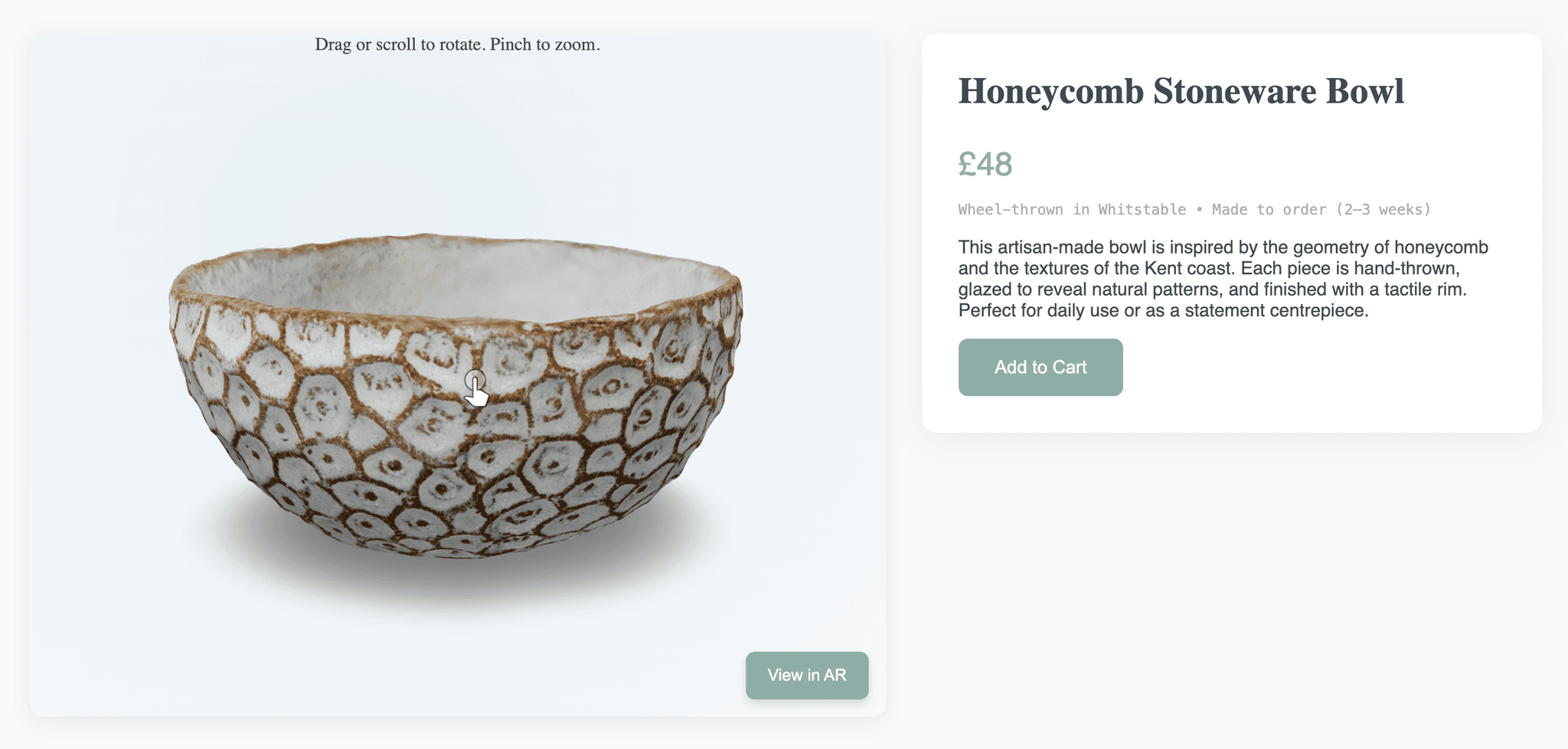
These 3D models can be viewed interactively online, used for research and education, integrated into AR experiences, or prepared for 3D printing to create replicas.
For museums and cultural institutions, this provides democratized access to collections – anyone, anywhere can examine artifacts in detail that rivals or exceeds in-person viewing.
Example Captures
Technical Specifications
Equipment
- Full-frame DSLR camera
- Macro lenses (50-100mm)
- Controlled lighting setup
- Motorized turntable
Software
- Reality Capture
- Agisoft Metashape
- Blender (cleanup)
- Custom processing pipelines
Precision
- Sub-millimeter accuracy
- 100+ capture angles
- High-resolution textures
- Color calibration
Output Formats
- OBJ, FBX, GLB files
- Web-optimised models
- AR-ready (USDZ)
- 3D print-ready meshes