The Real Cost of 3D Heritage Documentation: A Transparent Pricing Guide
Honest, transparent pricing guidance for heritage organizations considering 3D documentation. Learn what affects costs, what's included at each tier, and how to budget for digital preservation projects.

The most common question I receive from heritage site managers is also the most awkward to answer without context: "How much does 3D documentation cost?"
It's a fair question. Budgets are tight, grant applications require detailed costings, and decision-makers need concrete figures. But giving a single price for heritage documentation is like quoting a house renovation without seeing the building – the range is enormous, and the devil is in the details.
This guide provides transparent pricing information for 3D documentation services, explains what drives costs, and helps you budget accurately for your heritage project.
Why Pricing Varies So Much
Before we discuss actual numbers, it's important to understand why 3D documentation pricing isn't standardised like, say, photocopying or basic photography.
Key Factors That Affect Cost:
- Site size – A single artefact versus an entire historic building
- Complexity – Simple spaces versus intricate architectural details or machinery
- Access challenges – Ground floor versus scaffolding-required ceiling work
- Deliverable requirements – Basic 3D model versus full interactive virtual tour
- Processing detail level – Standard resolution versus museum-quality detail
- Geographic location – Local sites versus travel-required projects
- Timeline pressure – Standard delivery versus urgent turnaround
Two heritage sites that look similar might have vastly different documentation costs based on these factors.
Understanding My Pricing Structure
I work with three general pricing tiers, each suited to different project types. These aren't rigid categories – many projects combine elements from multiple tiers – but they provide a useful framework for budgeting discussions.
Tier 1: Small Artefacts & Simple Spaces (£500-750)
This tier suits straightforward documentation projects with limited scope.
Typical projects include:
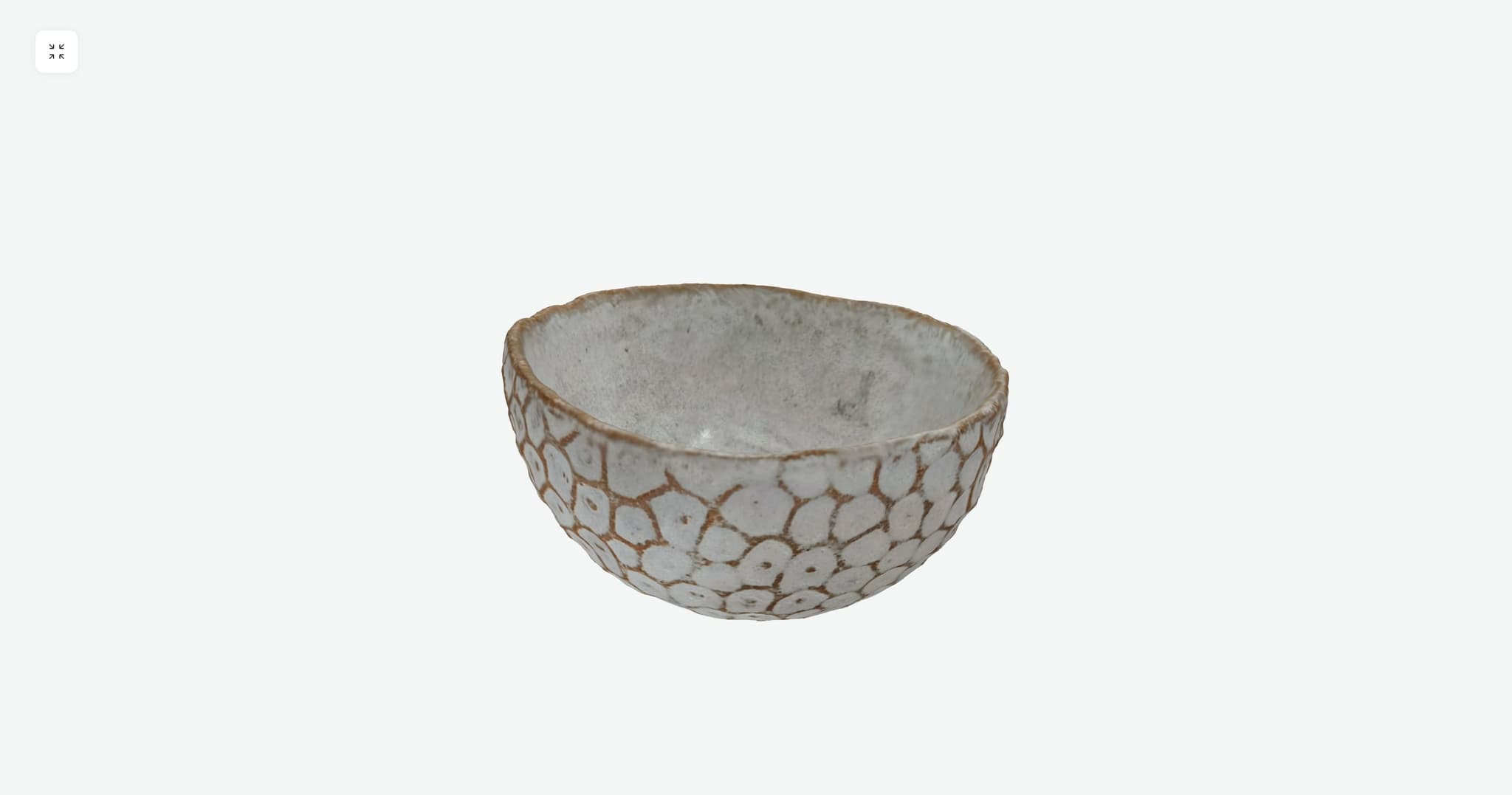
- Individual museum artefacts or small collections
- Single heritage room or small gallery space
- Architectural fragments or decorative elements
- Simple memorial structures or monuments
What's included:
- On-site capture (2-4 hours typically)
- Photogrammetric processing to create 3D model
- Basic model cleanup and optimisation
- Delivery in standard 3D formats (OBJ, PLY)
- Web-optimised Gaussian splat file
- Basic documentation and viewing instructions
This tier works well for heritage organizations wanting digital preservation records or simple 3D visualisation without elaborate interactive features.
Budget Tip
If your budget is under £500, consider starting with a phased approach – document the most significant or vulnerable areas first, then expand as funding becomes available. Even basic 3D documentation of key features has preservation value.
Tier 2: Medium Heritage Spaces & Virtual Tours (£1,000-2,500)
This mid-range tier encompasses most heritage building documentation projects and includes interactive tour creation.
Typical projects include:
- Historic houses or small museums
- Church interiors with architectural details
- Heritage rooms with complex displays
- Multi-room documentation projects
- Interactive virtual tours with basic hotspots
What's included:
- On-site capture (half to full day)
- Complete photogrammetric processing
- Detailed model cleanup and optimisation
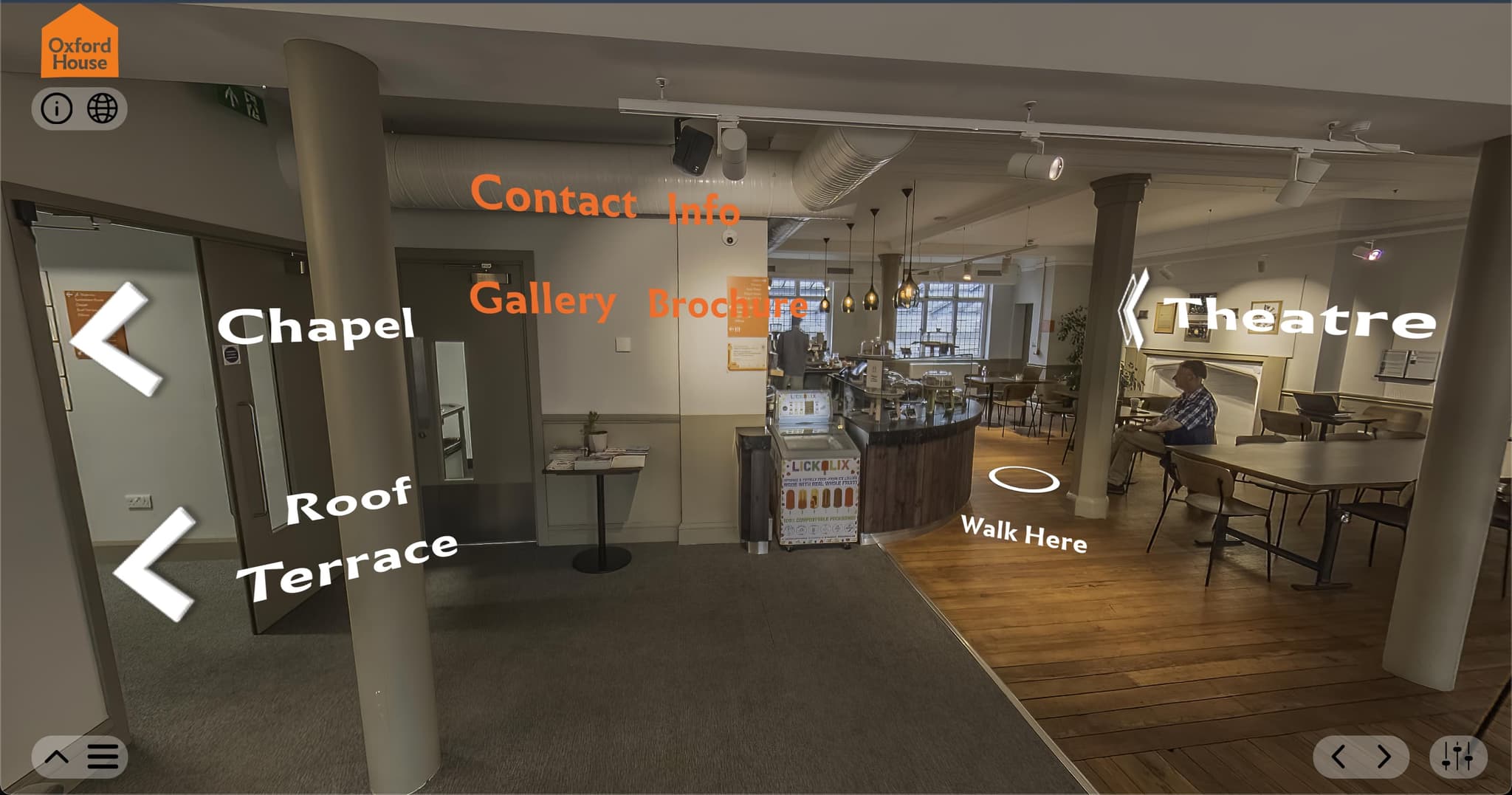
- Interactive web-based virtual tour creation
- Basic information hotspots (up to 10 points)
- Mobile-optimised delivery
- Complete documentation package
Most heritage organizations seeking both digital preservation and public engagement find this tier provides the best balance of features and value.
Tier 3: Large Sites & Complex Projects (£2,500-5,000+)
Complex, extensive, or challenging projects that require significant time investment and technical expertise.
Typical projects include:
- Large historic buildings or multi-building sites
- Exterior and interior comprehensive documentation
- Sites requiring specialist access equipment
- Projects with extensive custom interactive features
- Multiple-visit phased documentation
What's included:
- Multiple on-site capture sessions
- Extensive photogrammetric processing
- Professional-grade model refinement
- Comprehensive interactive virtual tour
- Custom hotspot development (20+ points)
- Complete archival package
- Integration support for your website
- Project management and liaison
Projects at this level often support grant applications, major conservation initiatives, or form part of larger heritage interpretation schemes.
Comparing Costs: 3D Documentation vs Traditional Methods
To put these prices in perspective, consider what heritage organizations traditionally spend on documentation and visitor engagement:
Traditional Conservation Documentation:
- Professional measured survey: £1,500-5,000+
- Architectural photography: £800-2,000 per day
- Hand-drawn conservation records: £1,000-3,000+
3D documentation often costs similar or less while providing far more comprehensive records, interactive public engagement, and reusable digital assets.
Traditional Visitor Engagement:
- Physical exhibition design and build: £5,000-20,000+
- Printed interpretive panels: £300-500 per panel
- Audio guide system: £2,000-10,000+
A virtual tour provides similar educational value at a fraction of the cost, with the added benefit of reaching global audiences and people unable to physically visit.
Grant Application Tip
3D documentation fits well within Arts Council England and Heritage Lottery Fund categories including digital participation, accessibility improvements, collections documentation, and sharing heritage. Break down quotes into clear line items (capture, processing, tour creation) for funding transparency.
The Real Value: Long-Term Return on Investment
While 3D documentation requires upfront investment, the long-term value often exceeds the initial cost:
Multiple Uses from Single Investment:
- Conservation records – Permanent documentation of current condition
- Public engagement – Virtual tours reach global audiences
- Education – School visits without physical wear on site
- Marketing – Compelling visuals for promotion
- Accessibility – Reaching visitors unable to physically visit
- Fundraising – Demonstrate professionalism to potential funders
- Research – Scholars can study details remotely
A £1,500 virtual tour might serve your organisation for 5-10 years, working 24/7 to engage visitors, support education, and document your heritage – calculating to perhaps £15-30 per month for this multifaceted tool.
How to Get an Accurate Quote for Your Project
When you contact me about 3D documentation, here's what helps me provide an accurate, useful quote:
Information That Helps:
- Site description – Type of building, approximate size, key features
- Your goals – Digital preservation? Virtual tour? Grant application? All three?
- Timeline – When do you need this completed?
- Budget range – Knowing your budget helps me suggest what's feasible
- Deliverables needed – Specific file formats? Interactive features?
- Access details – Any unusual access challenges or restrictions?
Photos of your site are helpful but not essential for initial quotes. For complex projects, I often suggest a short site visit (usually no charge for local sites) to assess requirements properly.
Final Thoughts: Investing in Digital Heritage
Heritage documentation isn't an expense – it's an investment in preservation, accessibility, and engagement. The digital record you create today serves multiple purposes for years to come, reaching audiences physical visits alone never could.
The real cost of 3D documentation isn't just the invoice price – it's whether the deliverables actually serve your heritage goals, stand the test of time, and provide value across multiple applications.
That's why I emphasize transparent pricing and honest conversations about what's possible within your budget. Every heritage site deserves quality documentation, and there's usually a way to make it work within realistic financial constraints.
Planning a Heritage Documentation Project?
Let's discuss your specific needs and create a budget that works for your organisation while delivering quality documentation.
Get in Touch